As we celebrate Independence Day in the midst of election season, our country is again examining how it is viewed through the rest of the world. Most of us want the US to be respected. Some view respect through the lens of fear. In fact, I saw a comment online that we need a leader that will lead other countries to be terrified of us.
Yet fear is not productive in building relationships or moving forward. I guess some people don't care about that. But let's remember the purpose of fear--its function is to keep us alive when threatened. The classic responses are to fight or flee. How is that helpful long-term or in relationships? It's not. It's highly destructive. Fear is very useful when a bear is coming at you, but that will also mean you won't be an ally of that bear unless your whole world is built upon power and ensuring you're on top. That's a precarious position.
I hear people essentially equate fear and respect in kids towards adults. We must remember that what we often see as respect for adults or other isn't actually respect. It's fear, so a child stays quiet. There is not necessarily an attitude of respect. Behavioral respect without attitudinal respect is quite problematic.
Ultimately, fear-based relationships are immature, unskilled power plays. When we are unable to adequately express ourselves and our emotions and do not have the skills to regulate those emotions effectively, we default to primal-based actions of aggression.
Think of the toddler who doesn't get their way. They can't regulate and don't know what to do but yell and hit, which doesn't lead to anything good. As we grow and mature, hopefully we learn skills of emotional expression and regulation as well as effective behavioral responses that are beneficial for us and for other. That's what leads to positive relationships and mutual respect. Aggression and fear leads to mutually assured destruction.
Which would you rather have?
Showing posts with label Parenting. Show all posts
Showing posts with label Parenting. Show all posts
Monday, July 4, 2016


Monday, July 28, 2014
Book Review: Grace for the Contemplative Parent #SpeakeasyContemplativeParents
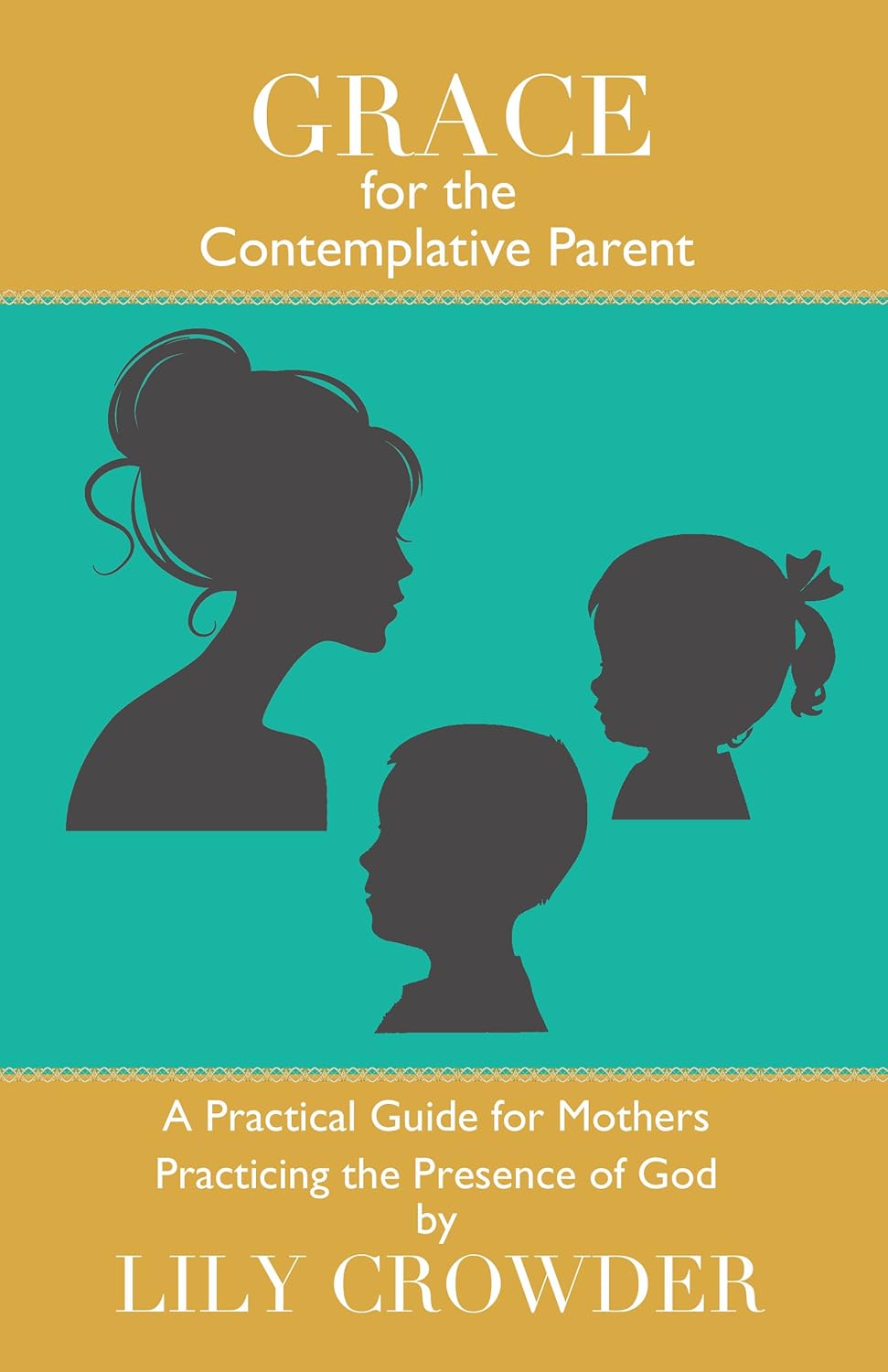
Crowder does a nice job of applying Brother Lawrence's concepts to the daily life of parenting. She will also probably make many mothers feel quite validated through struggles of the daily grind of life with kids. The points were good and could be powerful, although I didn't feel like there was anything particularly new in what I heard, even though I need to remember to give myself room for grace in many of these same circumstances. Many of the ideas were similar to ones I have conveyed to parents during the course of family therapy, which was validating to me, but not necessarily helpful in my own growth. Since I can still struggle with practicing God's presence, I was hoping this book would give me some new outlook that would translate to transformation. One of my reflections during the book was remembering that insight doesn't necessarily lead to behavior change. Learning something new about ourselves and the world is good and important, but sometimes we need practical skills to actually experience something different.
Even though the main title is "parent," the subtitle is "guide for mothers," and Crowder acknowledges early on that these principles are relevant to all parents, but she is targeting mothers. This is my biggest complaint. During our adoption process, almost all adoption resources were targeted at mothers (you'd be amazed at how many were pink and literally flowery--and my wife doesn't really like either). I felt really left out and invalidated, and I was just as active. Most parenting resources are similarly targeted toward mothers. Thankfully, there is increasing recognition that fathers are often active (and important) in parenting. I don't think it would have been that difficult to make this book more inclusive of fathers, and it would open up another huge audience. And believe me, fathers need grace, as well.
Disclosure of Material Connection: I received this book free from the publisher. I was not required to write a positive review. The opinions I have expressed are my own. I am disclosing this in accordance with the Federal Trade Commission’s 16 CFR, Part 255: “Guides Concerning the Use of Endorsements and Testimonials in Advertising.”
Wednesday, January 27, 2010
Perfect Parenting
This is a very interesting article on parenting and how there is no such thing as a "perfect parent." Particularly in Christianity, we do often place a lot of weight on parents, assuming if you're good enough of a parent, you'll have good kids, so if your kids have problems, then you suck as a parent.
As a therapist on a child inpatient psychiatric unit, I see many parents who place this judgment on themselves (and many of them are not Christians). They also ask what they can do differently.
While many parents could do significantly different things and definitely contribute to kids' issues (in fact, many kids don't have a problem--their families do), there is a significant number of situations where there is no clear answer. No one has necessarily done anything wrong. The child just has serious problems.
It seems these are some of the most difficult situations, both for the family and for me, as the therapist. If it's someone's fault, at least there's a solution and therefore hope. If no one is at fault, hope becomes much more difficult to find. And hope is critically important to life.
I'm not a determinist overall, but some things are determined. The thing is we cannot always determine what is predetermined by genetics, God, or our situation (or all three). What I can say is that even when we do everything right, everything does not always work out perfectly. And that can be more distressing than if we have made a mistake.
Subscribe to:
Posts (Atom)